10 Ideas on How to Declutter Your Home One Step at a Time
Decluttering your home doesn’t have to mean spending an entire weekend sorting through every room. In fact, one of the most effective ways to create a cleaner, more organized home is by taking one small step at a time. Breaking the process into manageable tasks helps reduce stress, prevents burnout, and makes it much easier to maintain your progress over the long term.
In my experience, homeowners are far more successful when they focus on one area instead of trying to organize everything at once. Even spending just 15 to 30 minutes each day can create noticeable improvements. Small victories build motivation, and before long, your home begins to feel lighter, calmer, and much more functional.
I’ve noticed Pinterest users consistently save organization ideas featuring labeled storage bins, woven baskets, drawer organizers, minimalist shelves, donation boxes, closet makeovers, tidy countertops, organized pantries, and clutter-free living spaces. These practical solutions remain popular because they are easy to implement and deliver lasting results.
Whether you’re starting with a single drawer or working through your entire home, these step-by-step decluttering ideas will help you create an organized space without feeling overwhelmed.
Table of Contents
- Start with One Small Area
- Use the Keep, Donate, and Discard Method
- Declutter One Room Each Day
- Clear Flat Surfaces First
- Organize Drawers with Dividers
- Create Simple Storage Systems
- Fill One Donation Box Every Week
- Declutter Your Closet Seasonally
- Organize Everyday Essentials
- Build Daily Decluttering Habits
1. Start with One Small Area
Quick Benefits
- Less overwhelming
- Quick progress
- Builds motivation
- Easy to maintain
- Beginner friendly
Why It Works
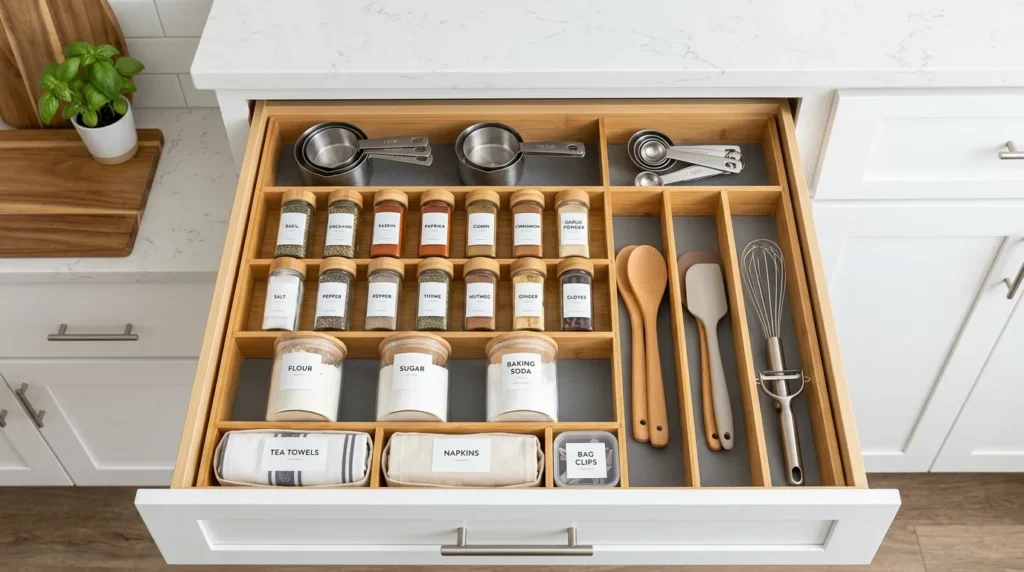
Starting with a single drawer, cabinet, or shelf makes decluttering feel achievable and encourages consistent progress.
How To Style It
Choose one small space, remove everything, keep only useful items, and organize the remaining belongings neatly before moving on.
2. Use the Keep, Donate, and Discard Method
Quick Benefits
- Simplifies decisions
- Speeds organization
- Reduces clutter
- Creates clear categories
- Easy routine
Why It Works
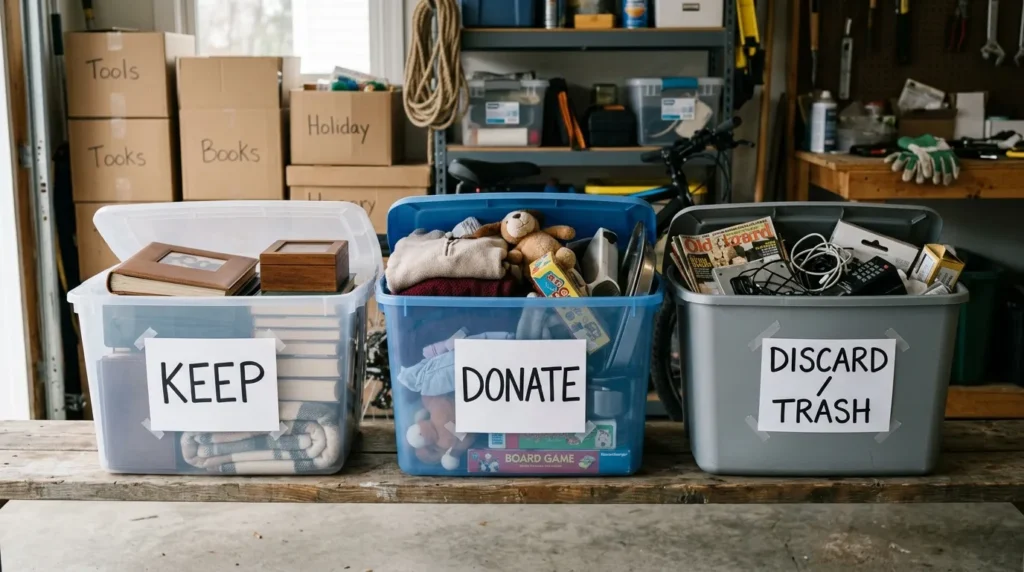
Sorting items into simple categories prevents overthinking and keeps the decluttering process moving.
How To Style It
Prepare three labeled containers and immediately sort each item without creating a “maybe” pile.
3. Declutter One Room Each Day
Quick Benefits
- Steady progress
- Less stressful
- Easy schedule
- Builds consistency
- Manageable workload
Why It Works
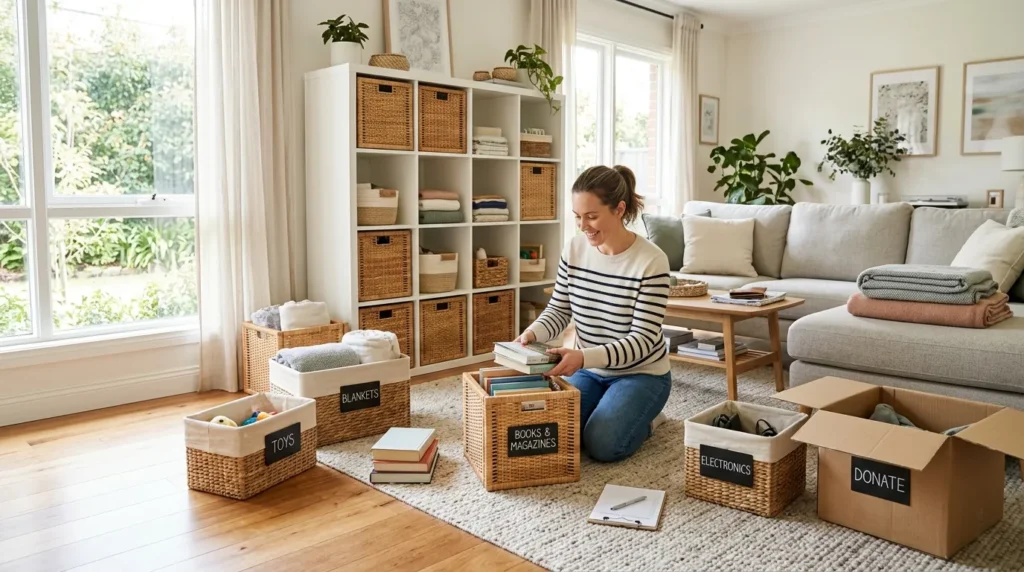
Focusing on one room at a time allows you to complete meaningful progress without feeling exhausted.
How To Style It
Assign each day to a different room, such as the bedroom, kitchen, bathroom, or living room, and work for a set amount of time.
4. Clear Flat Surfaces First
Quick Benefits
- Instant visual impact
- Cleaner appearance
- Less stress
- Easier cleaning
- More usable space
Why It Works
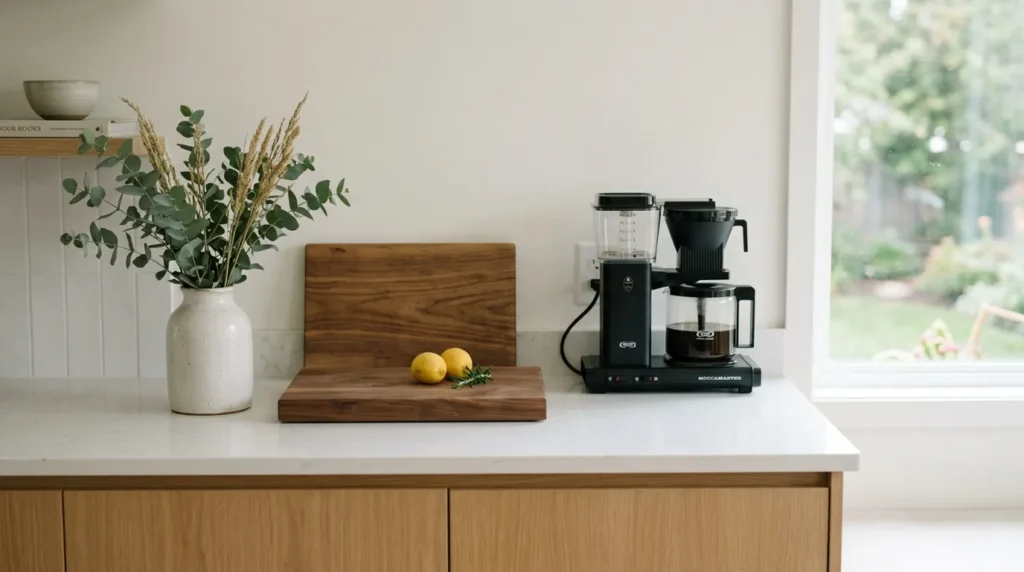
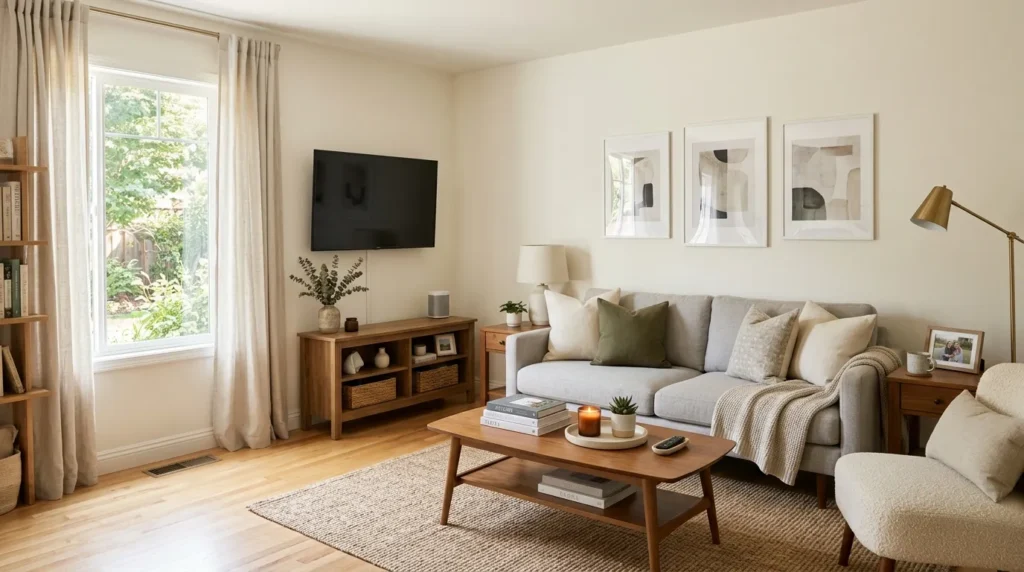
Countertops, coffee tables, and dressers often collect clutter quickly, so clearing them immediately improves the look of your home.
How To Style It
Keep only essential or decorative items on visible surfaces and store everything else in organized storage.
5. Organize Drawers with Dividers
Quick Benefits
- Keeps items sorted
- Saves time
- Prevents mess
- Maximizes storage
- Easy maintenance
Why It Works
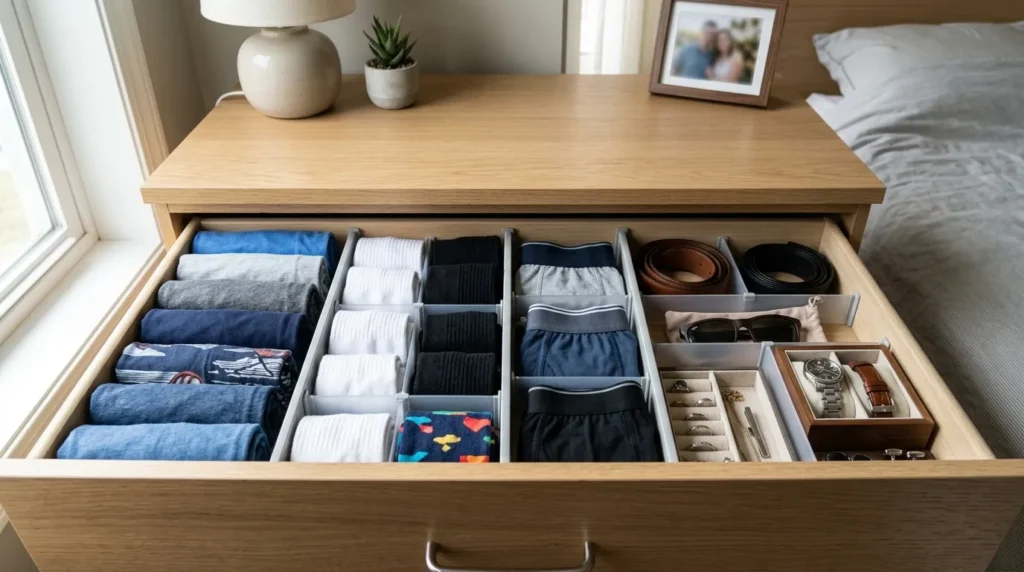
Drawer organizers prevent clutter from returning while making everyday items easier to find.
How To Style It
Use adjustable dividers or small containers to separate office supplies, kitchen utensils, accessories, and personal items.
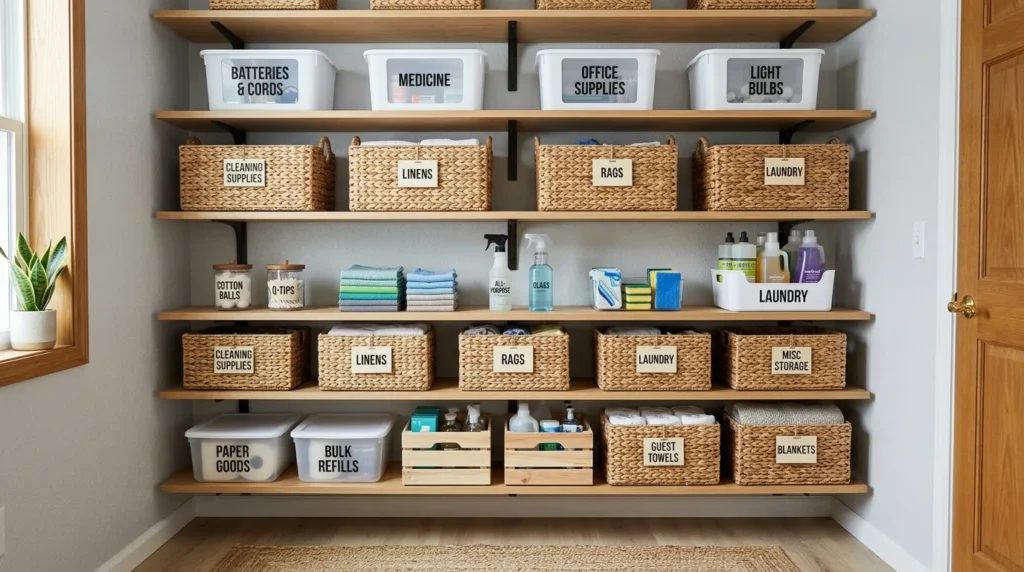
6. Create Simple Storage Systems
Quick Benefits
- Easier organization
- Faster cleanup
- Reduces clutter
- Functional storage
- Family friendly
Why It Works
When every item has a designated home, staying organized becomes much easier.
How To Style It
Use baskets, bins, labels, shelves, and storage containers to organize similar items together throughout your home.
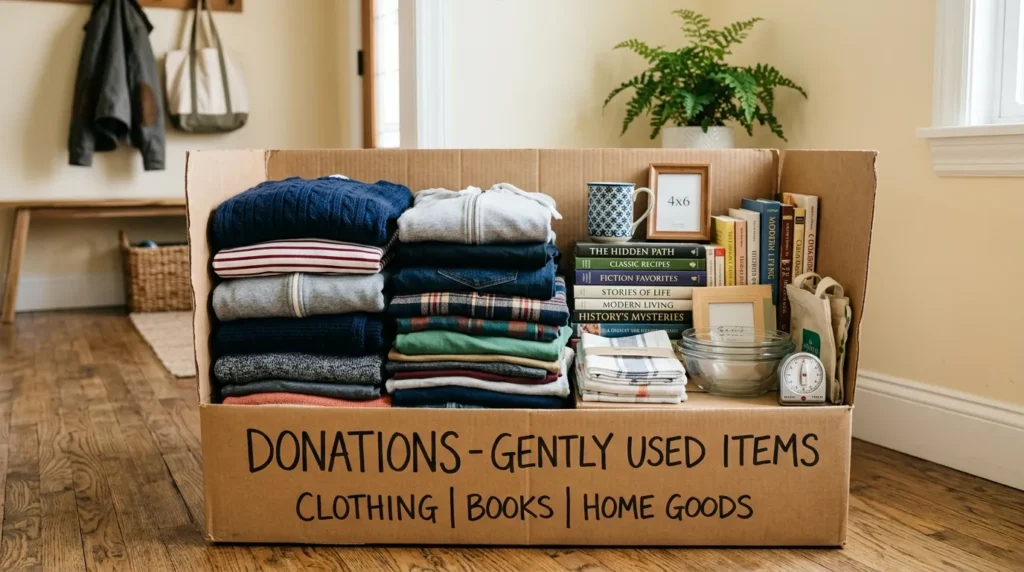
7. Fill One Donation Box Every Week
Quick Benefits
- Reduces excess
- Supports good causes
- Easy routine
- Builds momentum
- Frees space
Why It Works
Regular donations prevent clutter from building up while helping others benefit from items you no longer use.
How To Style It
Keep an empty donation box in a closet or laundry room and add unwanted items throughout the week.
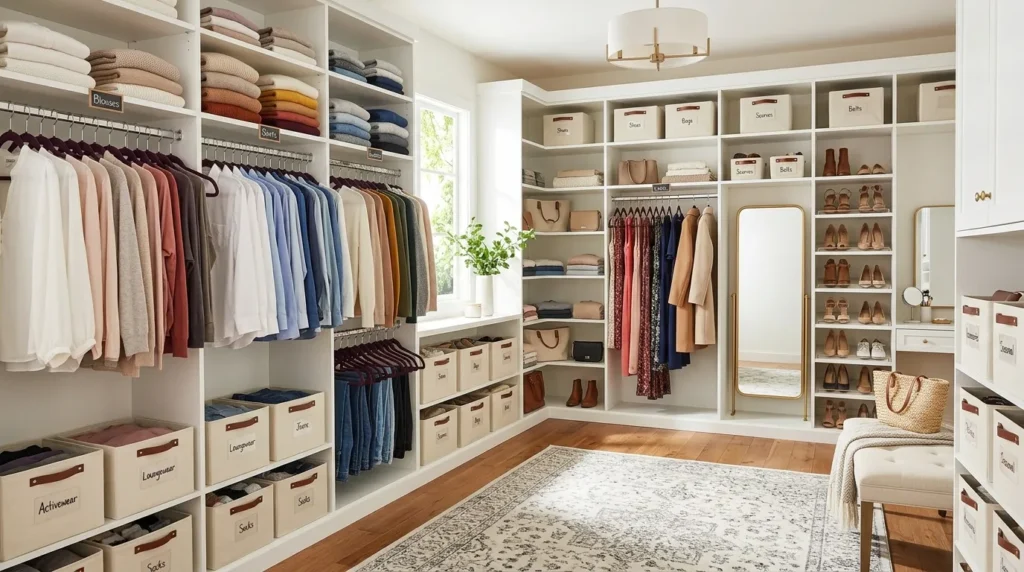
8. Declutter Your Closet Seasonally
Quick Benefits
- More wardrobe space
- Easier outfit planning
- Reduces unused clothing
- Organized storage
- Seasonal refresh
Why It Works
Reviewing clothing every season prevents closets from becoming overcrowded.
How To Style It
Donate clothing you haven’t worn recently, organize by category, and store off-season items separately.
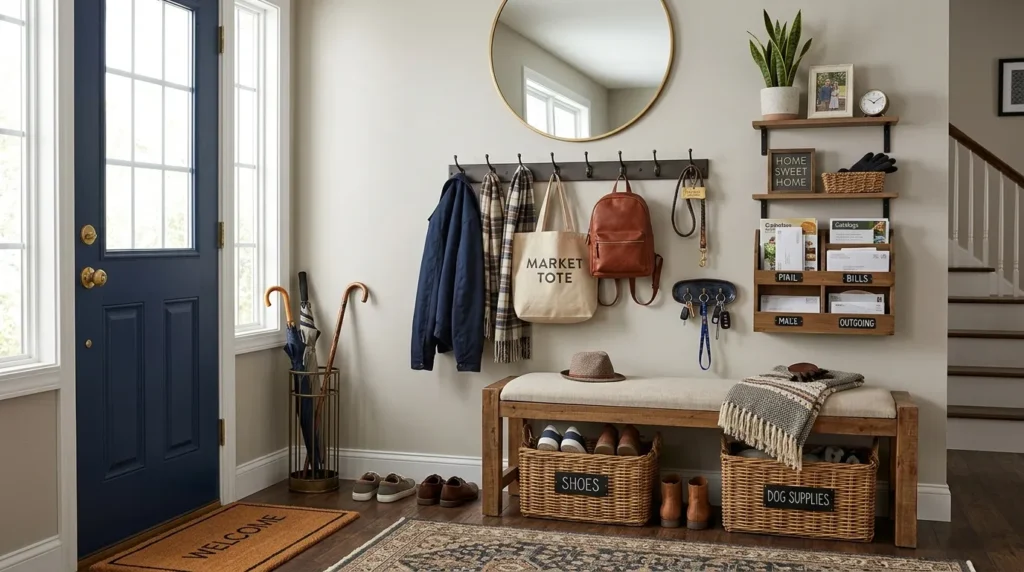
9. Organize Everyday Essentials
Quick Benefits
- Saves time
- Improves routines
- Less frustration
- Cleaner home
- Better accessibility
Why It Works
Keeping frequently used items organized reduces daily stress and makes your home more functional.
How To Style It
Create dedicated spaces for keys, chargers, mail, handbags, shoes, and other everyday necessities.
10. Build Daily Decluttering Habits
Quick Benefits
- Prevents clutter
- Easy maintenance
- Creates consistency
- Saves time
- Long-term success
Why It Works
Small daily habits are more sustainable than occasional deep-cleaning sessions.
How To Style It
Spend 10 to 15 minutes every evening returning items to their proper places before ending the day.
FAQ
What is the easiest way to start decluttering?
Begin with one small area, such as a drawer or shelf, to build momentum without feeling overwhelmed.
How long should I declutter each day?
Even 15 to 30 minutes of focused organizing can make a noticeable difference over time.
What should I do with items I no longer need?
Donate usable items, recycle when possible, and responsibly dispose of anything that cannot be reused.
How can I keep my home clutter-free?
Develop simple daily habits, organize regularly, and avoid bringing unnecessary items into your home.
Why does decluttering feel overwhelming?
Trying to tackle an entire home at once can feel stressful. Breaking the process into smaller tasks makes it much more manageable.
Conclusion
Learning how to declutter your home one step at a time is one of the most effective ways to create lasting organization without unnecessary stress. By focusing on small projects, using simple storage systems, and building consistent daily habits, you can transform your home into a cleaner, calmer, and more functional space. Progress doesn’t require perfection—every small step brings you closer to a home that feels organized, peaceful, and easy to maintain.